Falmouth Head of Art wins first place in the John Ruskin Prize
02 February 2026
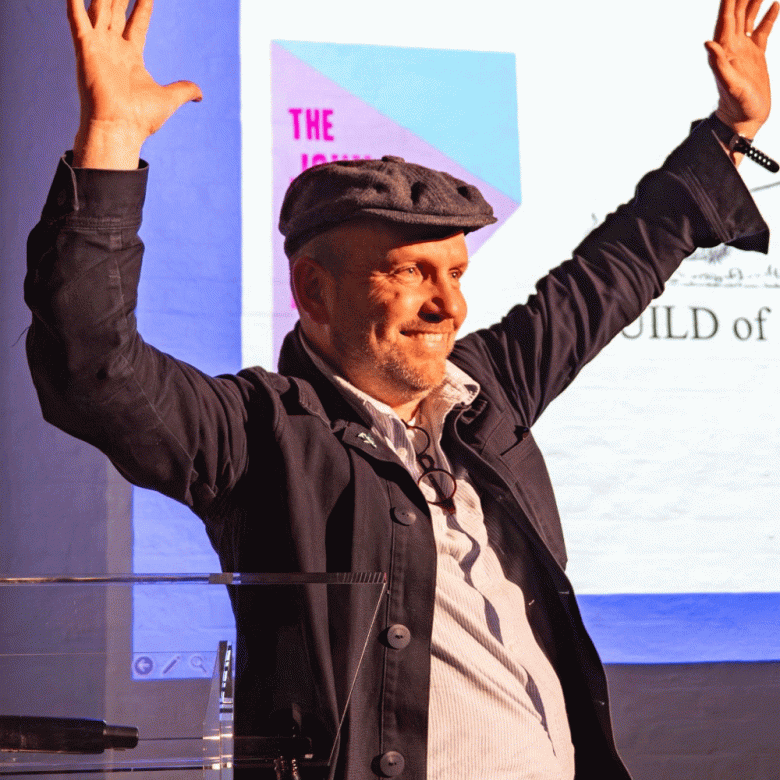
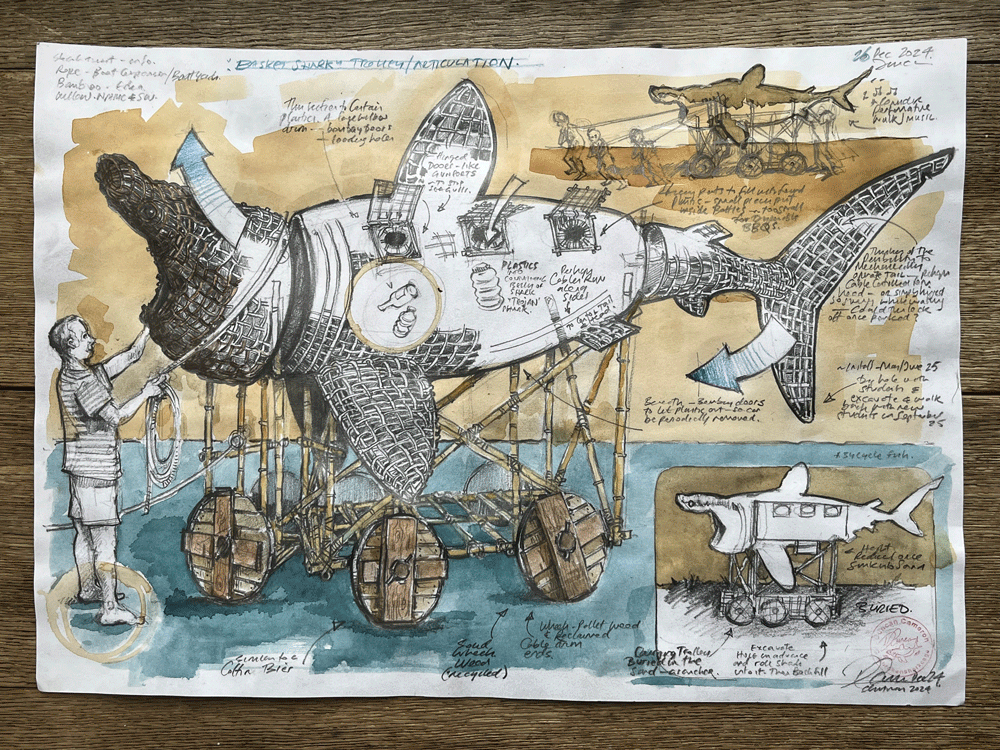
After the success of the ‘Basket Shark’ project in 2025, newly appointed Head of Art, Duncan Cameron, is not only in the early stages of creating the second instalment of his environmental campaign, but has won first place at the annual John Ruskin Prize.
Against almost 4,000 entries, Duncan placed first for his sculpture Stratigraphy, a captivating piece that will now be on display amongst 92 nominated artworks, from 29 January to 21 February 2026 at Trinity Buoy Wharf, London as part of the prize’s annual exhibition.
With this year’s theme being ‘Patience in Looking, Truth in Making’, artists were invited to explore the journey of the artist when developing what they see into what they make, turning observation into creation.
Duncan’s response to the brief, Stratigraphy, is made of glass, wood, peat, an antique cabinet, reeds, owl pellet bones and rhyne water (water from drainage canals to enrich wetlands) and is the result of a long observation of the flooded landscapes of the Somerset Levels. Through mixed media, Duncan shared that he was “working to tell a story with the components of the West Country flood lands, the rhyne water, reeds and peat that collectively define our experience of the landscape, hoping to capture something of the auratic quality of our engagement.”
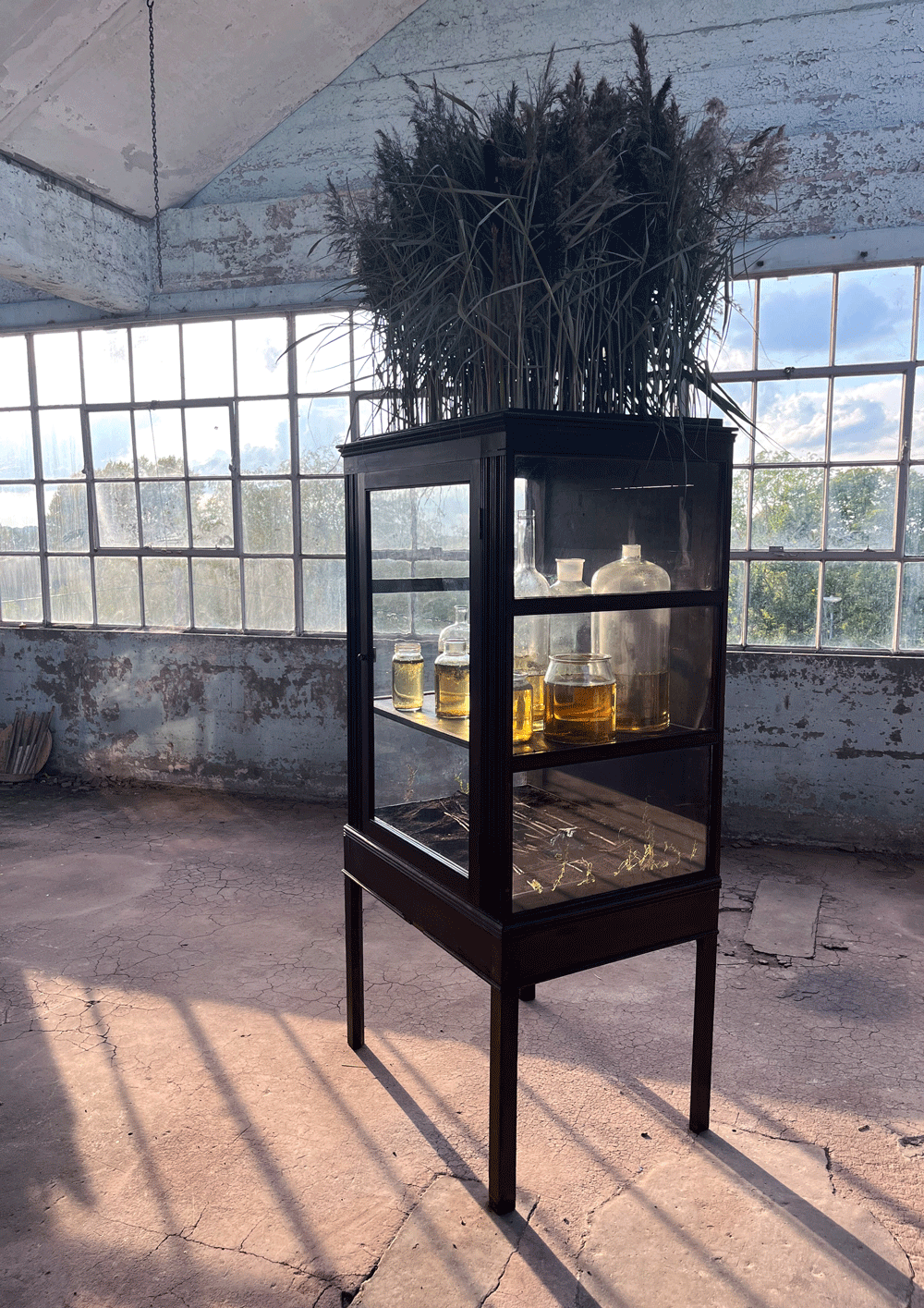
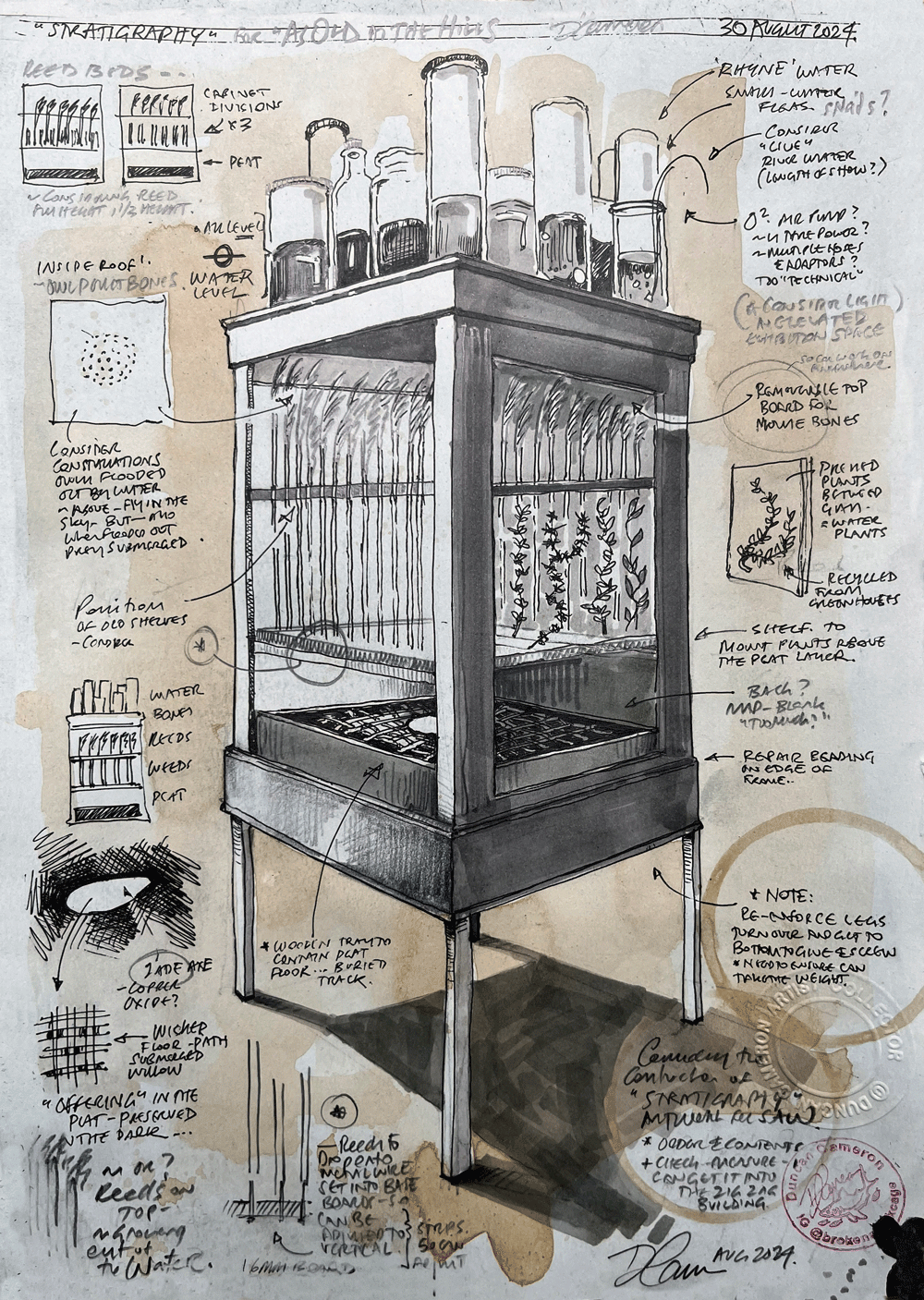
He added: “The cabinet form acts as a museum frame and is underpinned by an ethical fieldwork collection methodology and the sustainably retrieved elements are then manipulated and assembled in the studio. The bones carefully arranged here are of mice, shrews and voles, periodically flooded out of their burrows by the shifting water levels, and are the prey species of the tawny and barn owls that hunt over the levels.”
Reflecting on the museum-like display, Duncan went on to share how Stratigraphy explores museum display methodologies while drawing on this cultural history to address contemporary perspectives in works that might include cabinet collections, dioramic displays or taxidermy.
He explained: “The familiar museum cabinet format developed from the 16th century Wunderkammer, and my novel aesthetic assemblies draw on both post-Enlightenment museum display traditions and the more fantastical curiosity cabinets of the past.”
Reflecting on his John Ruskin Prize win, he says: “Making artwork is slow, complex and considered, as you explore ideas and try to make meaning with materials, and it means so much when a piece is seen to communicate with others.”
Duncan’s recent win at the John Ruskin Prize isn’t all he’s been up to. After the success of last year’s ‘Basket Shark’, Duncan is now working on a second instalment of the @beachbeasties collaborative creative campaign, titled ‘The Rise of the Cephalopods’.
He is hoping to have a giant, 20-foot wicker mechanical cuttlefish ready in time for the Surfers Against Sewage Paddle-Out Protest in May and the Falmouth Festival of the Ocean in June. Duncan chose to focus this year’s creation on cuttlefish – “beautiful, intelligent and colour changing masters of camouflage” – with an aim to bring attention to how big a part they play in Cornwall’s marine ecosystem, despite being frequently overlooked.
Duncan is also undertaking a new role after acting as senior lecturer and course lead for Falmouth’s BA/BSc(Hons) Integrated Foundation Year and BA(Hons) Drawing. “I love drawing and it’s an integral part of my teaching and creative process,” he tells us. “Whether that be as an art form in its own right or for designing and planning sculpture, props and puppets.”
The new position of Head of Art is a role that has him also overseeing the BA(Hons) Fine Art, MA Fine Art and MA Fine Art (Online) courses at Falmouth.
External links
See Duncan’s work for yourself at the John Ruskin exhibition
Learn more about Duncan and see more of his drawings on The Arty Teacher
See the work Duncan is creating on Instagram and the weekly ‘Drawing Folk’ evening drawing group in Falmouth.
Learn about the ‘Rise of the Cephalopods’ projects and wider beach beasties work.
You might also like

Falmouth’s Film lecturers feature at Cornwall’s first Folk Horror Film Festival


Creatives on Creatives: Denzil Forrester MBE and Duncan Cameron

Quality of teaching keeps Falmouth’s Events and Tourism courses among the best in the country
