What is Sound Design?
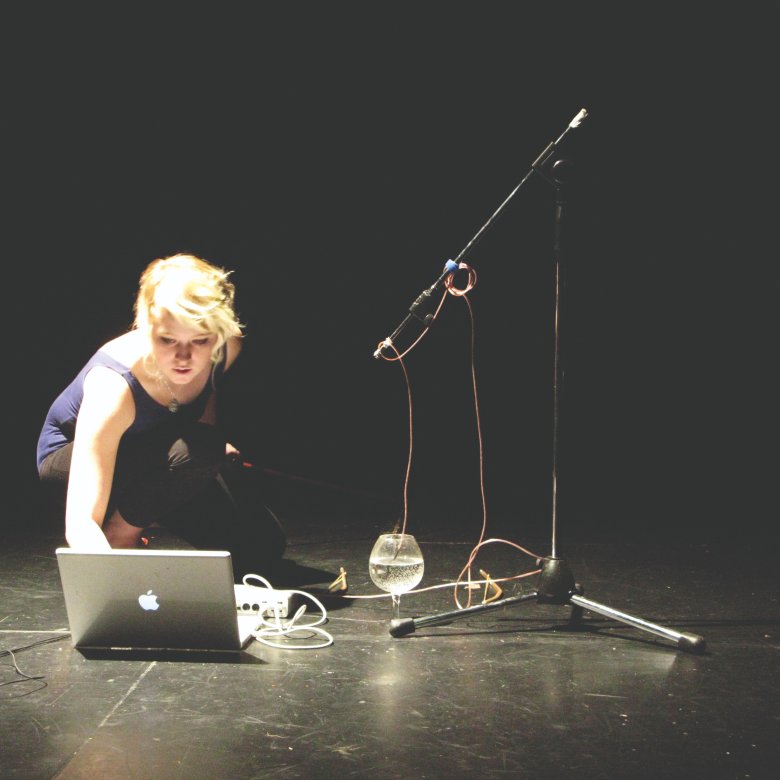
Sound Design is the art of creating, recording and manipulating audio for various media, including film, television, video games, music, live performance and more. It combines creative and technical audio skills to communicate information, establish atmosphere and enhance audience experiences.
Sound designers work across a wide range of creative industries. But what does sound design actually involve, what skills do you need and what can you do with a sound design degree?
We spoke to Dr Simon Waite, course co-ordinator and senior lecturer of BA(Hons) Sound Design, to find out more.
What does a sound designer do?
A sound designer develops and produces audio that supports a creative project, environment or experience. Depending on the project, this can involve recording sounds, editing dialogue, creating sound effects, manipulating audio and mixing different sound elements.
Sound designers may work with existing recordings or create entirely new sounds using synthesis, audio processing and digital audio workstations (DAWs). They also collaborate with directors, game developers, composers, performers and other creative professionals to ensure that sound supports the project's aims.
Sound Design can include several specialist areas, such as:
- Sound effects: Creating or sourcing sounds that represent actions, objects, environments and events.
- Audio post-production: Editing, processing and mixing sound for film, television and other recorded media.
- Game audio: Designing and implementing audio that responds to player actions and events within a game.
- Foley: Recording everyday movements and object interactions to create realistic sound effects for screen productions.
- Sonic branding: Developing distinctive sounds that help businesses and products communicate their identity.
- Immersive audio: Creating spatial and interactive sound experiences for digital environments, installations and live events.
Why is sound design important?
Sound Design is vital to helping audiences understand and engage with media. It can establish a location, communicate information, create atmosphere and influence how a scene or interaction is perceived.
In film and television, sound design can make a fictional environment feel realistic or build tension through carefully controlled audio. In video games, sound can provide feedback about a player's actions and make virtual environments feel more convincing.
Sound is also important in interactive media, advertising and live performance. A distinctive audio cue can help users recognise a product or understand an interface, while carefully designed soundscapes can change how audiences experience a physical or digital space.
Effective sound design therefore requires more than technical ability. Designers need to understand the intended audience, the context in which sound will be heard and the role audio plays within the wider experience.
What skills are used in sound design?
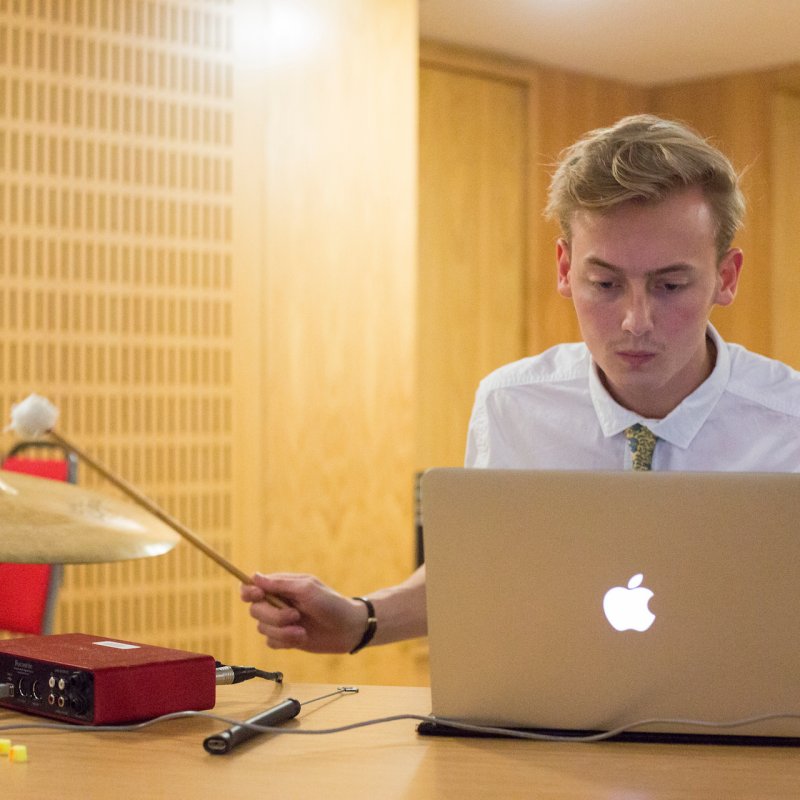
Sound designers use a combination of recording, editing, synthesis and audio processing techniques to create finished soundtracks and interactive audio experiences.
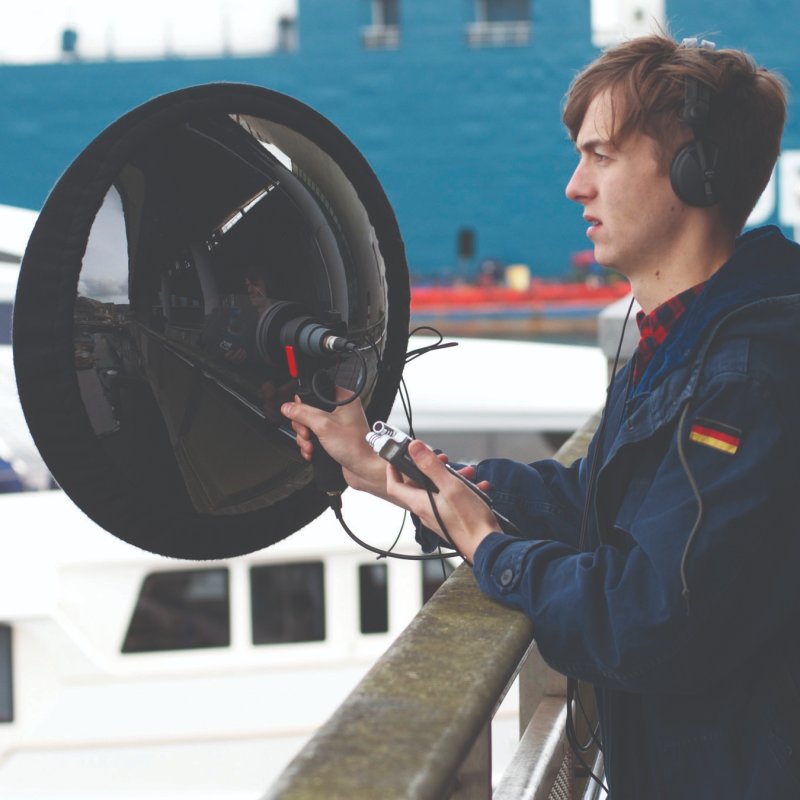
Field recording involves capturing sounds in real environments using microphones and portable recording equipment. These recordings can be edited and processed to create sound effects, atmospheres or source material for more experimental work.
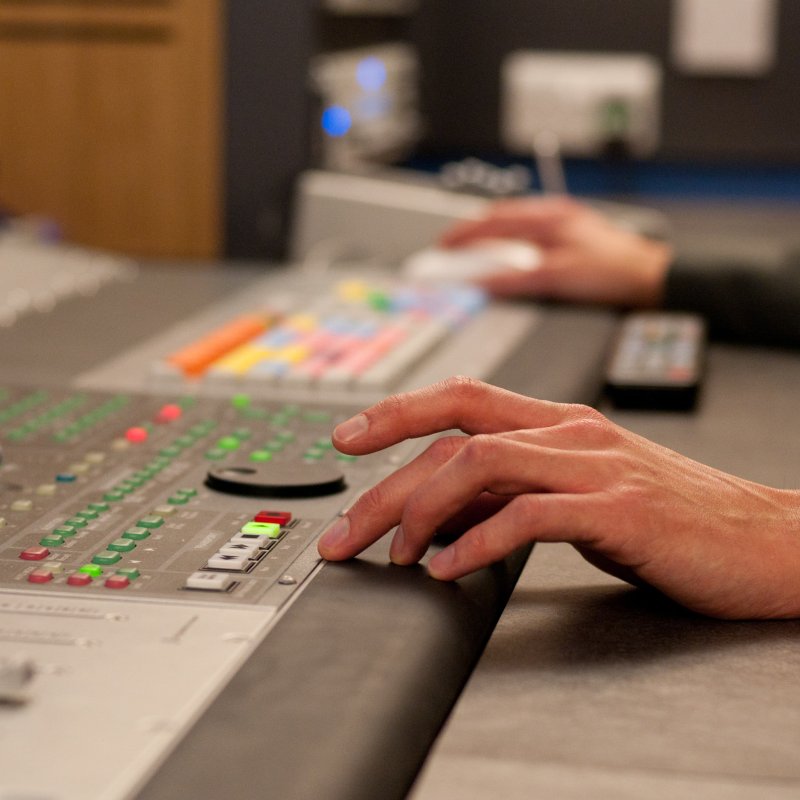
Digital audio workstations allow sound designers to record, arrange, edit and mix multiple audio tracks. Audio processing tools can change characteristics such as pitch, timing, texture and spatial position, while synthesis allows designers to generate sounds electronically.
Other techniques include Foley recording, dialogue editing, sound layering and mixing. In game audio and interactive projects, designers may also implement sounds so that they change in response to gameplay, user actions or other events.
Learning how these techniques work together helps sound designers develop a versatile approach to audio production and adapt their skills to different creative briefs.
What will you study on Falmouth’s BA(Hons) Sound Design degree?
Falmouth’s BA(Hons) Sound Design degree develops students' practical, creative and theoretical understanding of sound across contemporary media and digital experiences.
Based at Penryn Campus, the course combines practical workshops, critical study and industry-aligned projects. Students develop core skills in sound and audio theory, recording, editing, mixing and mastering, while exploring how sound can be designed for different contexts.
In the first year, students study modules including Understanding Sound & Audio, Designing Sound and Sound Design: Workflows, Tools & Techniques. They also gain experience working in recording studios and explore the relationship between music, sound and culture.
In the second year, students develop their practice through collaborative projects and more specialised study. This includes an opportunity to work with students from Falmouth's Games Academy to create and implement audio assets for an original game. Students can also explore areas such as immersive and interactive audio and composing music for media.
The final year focuses on professional development and preparing for a career in sound. Students refine their specialist skills, consider future opportunities within the industry and produce a professional portfolio of creative work.
Students can complete the degree over three years or choose a four-year route with a professional placement, providing an opportunity to gain additional industry experience.

What facilities are available to Sound Design students at Falmouth?
Sound Design students have access to specialist audio facilities and equipment across Falmouth's creative departments. These include recording studios, dedicated post-production audio suites equipped with Avid Pro Tools Ultimate, and Foley and automated dialogue replacement (ADR) facilities.
Students can also use portable recording equipment, professional microphones, mixing consoles, synthesisers and other audio production tools. These resources support practical learning across recording, sound editing, post-production and sound creation.
Collaboration is another important part of the course. Working with students across Film, Games, Music and Theatre Arts helps develop the communication, problem-solving and teamwork skills required for professional creative projects.
What careers can you pursue with a sound design degree?
A Sound Design degree can prepare graduates for a range of roles across the creative industries. Depending on their interests, experience and specialist skills, graduates could pursue careers as:
- Sound designers for film, television, games or live events
- Sound recordists and audio editors
- Foley artists and sound supervisors
- Sound engineers
- Sonic branding specialists
- Audio professionals working in broadcasting, podcasts and audiobooks
The industry continues to develop alongside changes in digital technology, creating opportunities to explore new applications for sound. Alongside technical skills, professional sound designers benefit from creative problem-solving, collaboration, project management and an understanding of business and intellectual property.
At Falmouth, students develop these skills through practical projects and university-wide collaboration, building a portfolio that demonstrates their abilities and supports their future career ambitions.

How do you become a sound designer?
A Sound Design degree is a key route into the profession. Studying the subject can help you develop technical audio skills, understand different production workflows, experiment with creative techniques and build a portfolio of work.
Practical experience is also important. Working on film or game projects, collaborating with other creatives and experimenting with audio software can help you identify your interests and develop your skills.
Falmouth's Sound Design degree offers a combination of technical training, creative exploration and collaborative project work for students interested in pursuing a career in sound.

About Dr Simon Waite
Si Waite is a songwriter, producer and educator. He has written, recorded and performed as a solo artist (National Trevor) and in bands (including Captain Yange). A trained vocalist, guitarist, percussionist and technologist, he has worked and collaborated with individuals and organisations from across the music and creative industries.
Read Simon's profileYou might also like

Creatives on Creatives: Denzil Forrester MBE and Duncan Cameron


How to create a professional illustration portfolio

How to build a career as an illustrator
