How to build a career as an illustrator
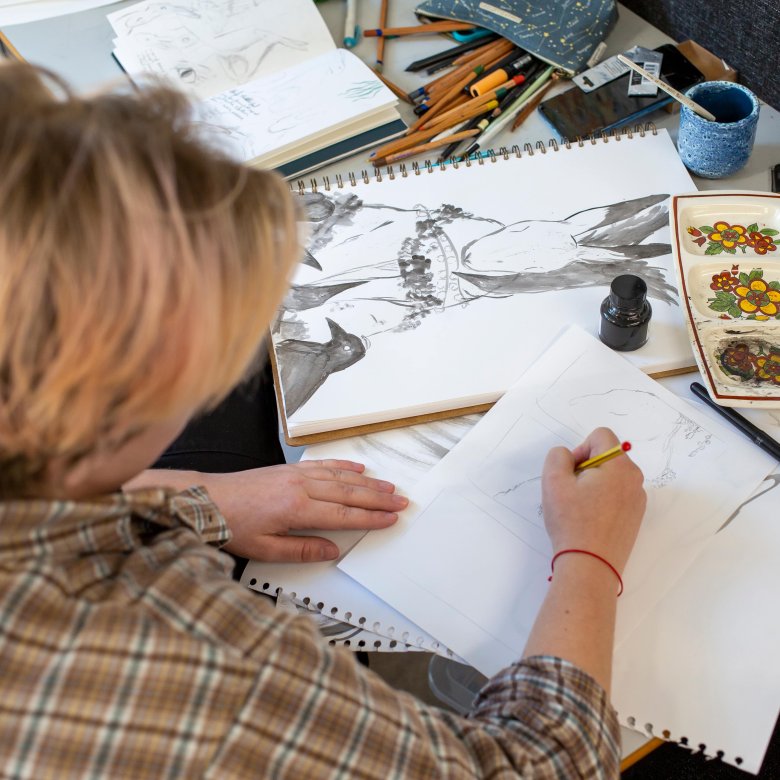
In this guide, Illustration BA(Hons) course leader Nigel Owen explains how to find illustration work after graduating, from developing your drawing skills and crafting a portfolio to pitching for your first clients.
Illustration is one of the most exciting and varied creative careers available today. Traditional jobs in publishing and editorial are still going strong, while the digital revolution has seen opportunities expand into a wide array of areas such as animation, advertising, gaming and other creative industries.
Whether they're drawing for children's books, providing artwork for newspapers and magazines, or creating concept art for video games, today's Illustration graduates are entering a thriving and fast-evolving industry. What's more, the skills they develop are increasingly transferable across the wider field of visual communication.
What do illustrators actually do?
An illustrator creates visual images that convey ideas, explain concepts and help tell stories. Today, illustrators work across publishing, editorial, advertising, animation, gaming and digital media, often combining traditional drawing with digital skills. Rather than following a single job title, many build careers as creative polymaths, moving between different disciplines as opportunities arise.
A high proportion of Illustration graduates go straight into freelance work, but they may also become concept artists, animators, art directors or designers during their careers. Publishing remains one of the strongest sectors, particularly children's books, while editorial work for newspapers and magazines is often one of the quickest ways to secure commissions. At the same time, the rise of digital media over recent decades has created growing demand across animation and online visual communications.
What specialism should you choose?
While illustration offers a wide array of career paths, it's worth identifying an area that you have a particular passion for and allowing your portfolio to grow in that direction.
Choosing a specialism helps you develop a distinctive style, which in turn fosters a reputation that attracts the right clients. Whether you're interested in children's publishing, editorial, advertising or entertainment, building a distinctive visual identity is usually more valuable than trying to master multiple disciplines.
That said, you should take the time to explore different aspects of illustration before picking the one you want to specialise in. University is especially valuable in this regard, affording you the space, freedom and guidance to experiment with multiple styles and formats.
How do you develop your skills?
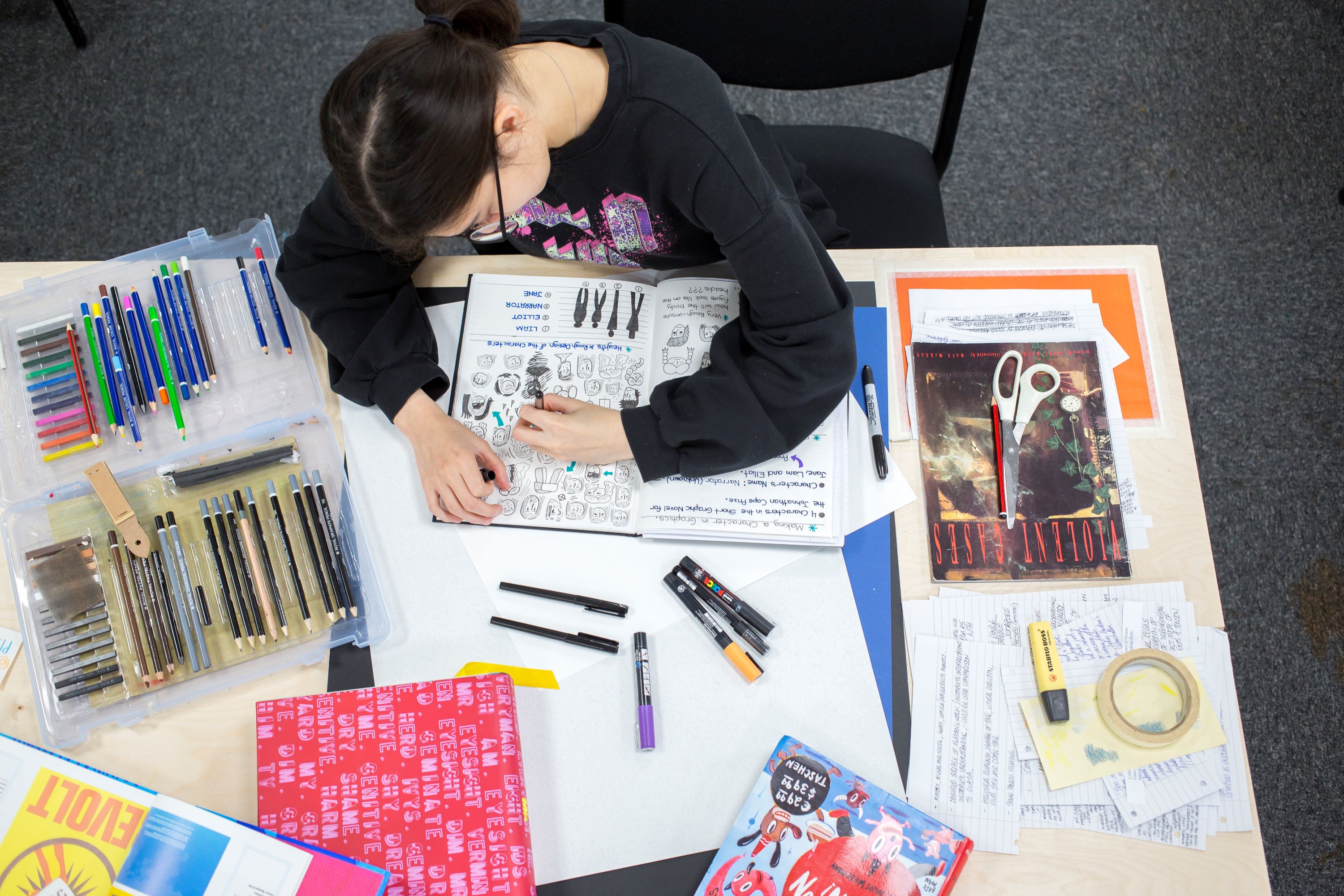
Drawing remains the foundation of illustration, whether your finished work is created with pencil, paint or digital software. This means that the best way to improve is to draw consistently while experimenting with different media. Keeping a sketchbook, studying from observation and finding the materials that excite you will strengthen both your technical ability and your creative confidence.
It's also important to give yourself permission to experiment. University is the time to take creative risks, push boundaries and develop ambitious work rather than worrying about what might sell. Building an online presence can be valuable, but it shouldn't come at the expense of exploration – students can sometimes undersell themselves by focusing too heavily on commercial work before they've fully developed their creative voice.
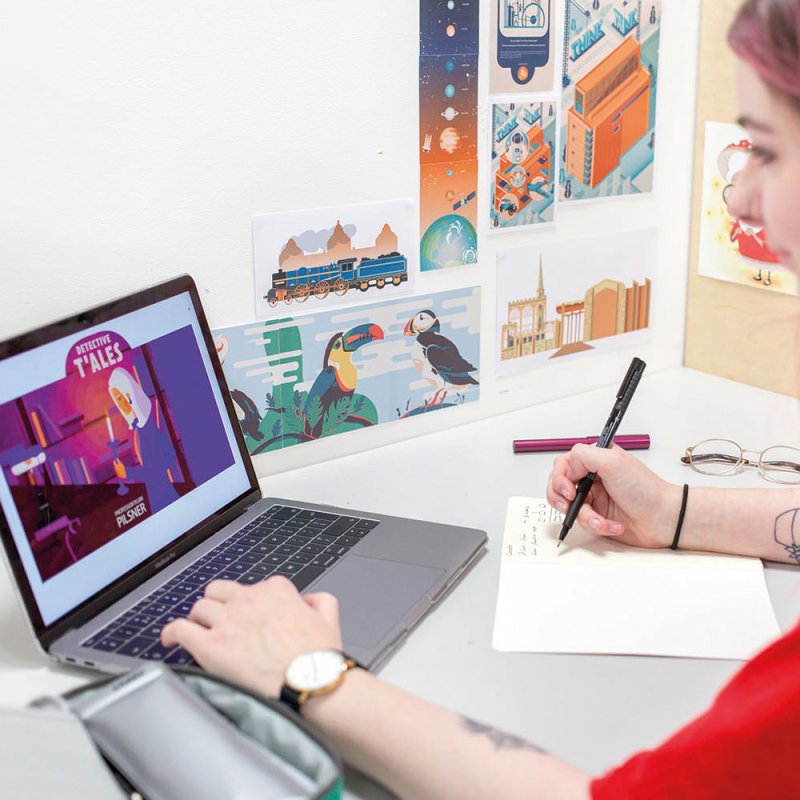
Alongside your drawing practice, it's worth building your understanding of the business side of illustration early. Copyright law, contracts, pricing and negotiating fees with confidence all shape whether a career in illustration is sustainable, not just whether the work itself is strong – which is why we teach many of these skills across the BA Illustration course.
What are the common mistakes to avoid?
New illustrators often make the mistake of accepting every project that comes their way. Long-term success comes from protecting your values, choosing commissions carefully and developing a recognisable visual language that clients trust and remember. It's perfectly acceptable to turn projects down if they don't align with your creative goals or personal values.
This is also where the distinctive style we talked about earlier really pays off. Avoid constantly changing your visual language to satisfy different art directors. Flexibility is important, but if your style shifts from project to project, clients can struggle to understand what makes your work distinctive. Over time, that can weaken your identity as an illustrator altogether.
How do you find illustration jobs?
Many illustrators begin their careers as freelancers, although in-house opportunities also exist within publishing, design agencies, animation studios and other creative businesses. Whether you choose self-employment or not, building strong industry relationships, understanding the business side of illustration and developing a strong personal brand all improve your chances of finding regular paid work.
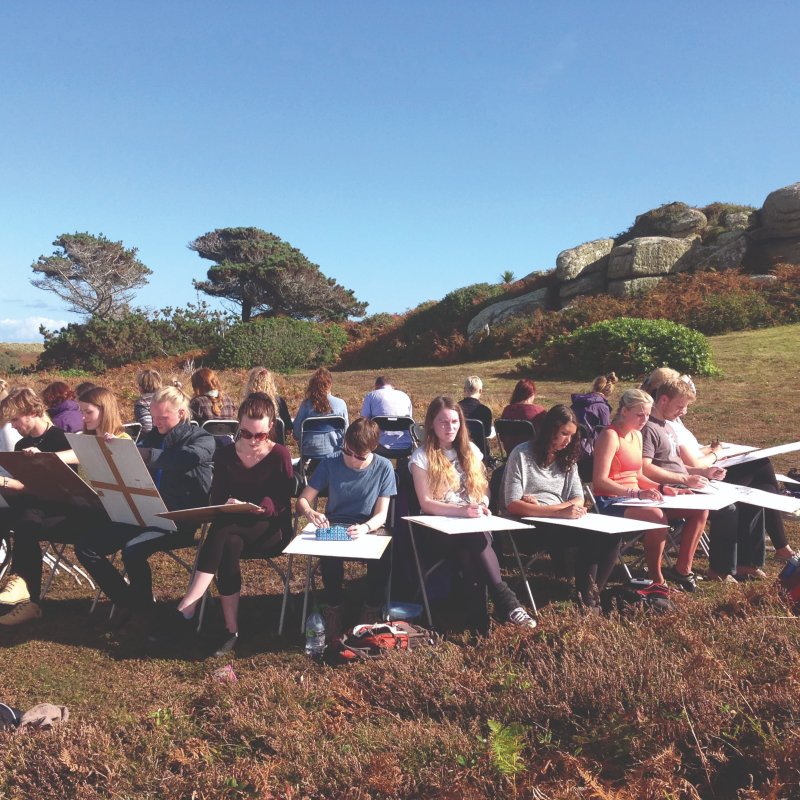
Falmouth's Illustration lecturers and visiting professionals can provide potential entry points into the industry via their own connections, and course trips – such as to international events like the Bologna Book Fair, or professional practice weeks visiting studios, publishers and agencies – give students direct exposure to the people who commission illustration work.
You can also forge your own connections by sending out pitches to potential clients. Send a short, personalised email introducing yourself and containing a link to your portfolio.
How do you create a good portfolio?
A strong illustration portfolio isn't as simple as showcasing your best work. It should demonstrate how you solve problems and communicate your unique visual identity. When showing it to prospective employers, you will need to discuss its contents with them, so it should contain work you genuinely believe in – if you don't feel passionate about a piece, that will come across in the interview.
Find out more in our guide to creating a professional Illustration portfolio.
Successful illustrators are visual problem-solvers, and art directors are often just as interested in how you think as they are in the final artwork. Including sketchbooks, mind maps, research, observational drawing and early concepts alongside finished pieces helps demonstrate that thinking process.
Getting outside feedback matters too. On our course, students take part in an industry feedback week, where agencies, publishers and design houses review our students’ portfolios directly and offer personalised feedback.
Your portfolio can be physical or digital (or both), but no matter the format you should always think of it as the “museum of me”. Review it regularly, refining and editing your work every month so it always reflects your strongest projects. If you use social media platforms to showcase your work, think of these as a series of satellites that direct people back to your portfolio, rather than replacing it.
Can you earn a living as an illustrator?
Yes, it is certainly possible to make money through illustration, although most careers develop gradually. Many illustrators combine freelance commissions with publishing, teaching, licensing artwork, animation or commercial projects, creating multiple income streams that support a sustainable creative business.
What does career progression look like?
Illustration careers rarely follow a straight line. As illustrators gain experience, they may become recognised specialists in a particular field, move into art direction, animation, concept art, publishing or education, or continue expanding their freelance practice.

About Nigel Owen
Nigel Owen is an illustrator and Falmouth University lecturer, whose editorial work has been published internationally across titles including The Guardian, the New Scientist and National Geographic. His practice spans digital and traditional media, and his research explores visual problem-solving in illustration. Find out more about Nigel's career by visiting his staff profile:
Read Nigel's profileOur Illustration courses

Illustration BA(Hons)
Become adept at problem solving and creating your visual language on this Illustration degree, renow...

Illustration: Authorial Practice MA
Develop your unique visual language on this studio-based Illustration MA. You’ll learn to see your...

Credit: Jonathan Scane
Illustration MA (Online)
Immerse yourself in the diverse and evolving world of contemporary illustration on this stimulating ...

Illustration BA(Hons) (Online)
Gain the professional practice and entrepreneurial skills needed to turn your talent into a successf...
You might also like

Creatives on Creatives: Denzil Forrester MBE and Duncan Cameron


How to create a professional illustration portfolio

Architecture students get hands-on in community live project
