Game Development graduate on making retro games and his YouTube following
29 January 2026
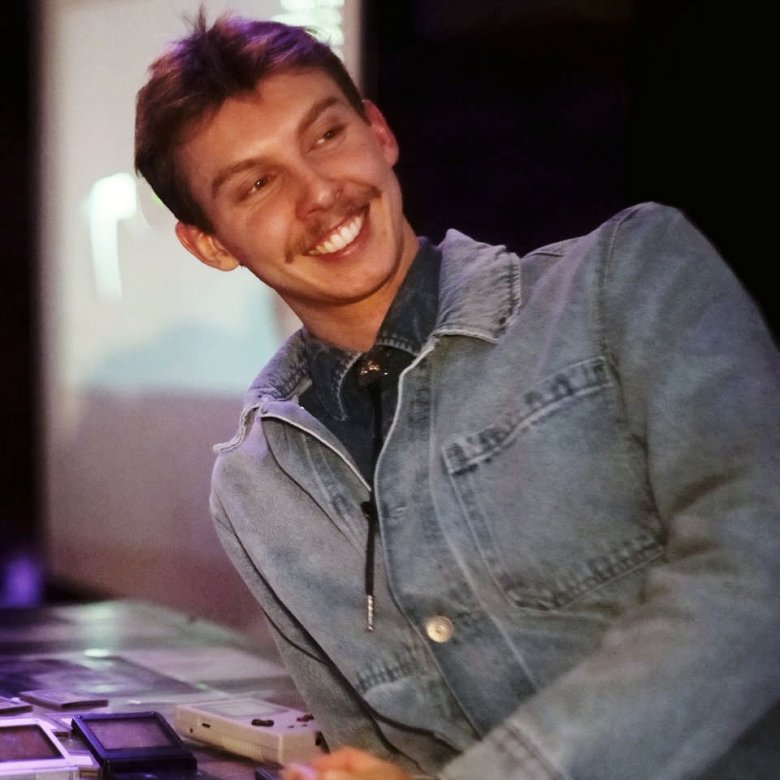
From building minigames in LittleBigPlanet as a child to releasing homebrew (unofficial hobbyist) titles for classic consoles, BA(Hons) Game Development: Art graduate Robert Doman has built an impressive YouTube following through clear, informative and engaging videos that document the process.
We caught up with Robert to talk about how studying at Falmouth shaped his approach to game art and design, why failure plays an important role in his creative process, and how sharing his work online has influenced his plans for the future.
When did you first start making games and art, and what drew you to retro and homebrew development?
I first started making games with LittleBigPlanet growing up. It was a fun and creative way to learn game design and programming without it even feeling like it. I was drawn to retro game development after my university course because I knew the limitations would allow me to finish games solo.
Images (L-R): Skelelost and Tiledentity
How did your time on the Game Development course help shape the way you approach art and development today?
Without this course, I wouldn’t be a game developer today. Although I focused on art, I also attended design lectures and developed a deeper passion for, and understanding of, design. Working in teams allowed us to see development from start to finish across multiple games. Without this experience, I may not have had the confidence to work independently, or to take on clients, present my game ideas, and create effective design documents.
Were there any particular modules, projects or tutors that had a lasting impact on your creative direction?
The words of one lecturer still ring in my head from time to time: “Make a game in one room.” If you want to finish a game to a high standard, it needs to be concise and focused. When you face limitations such as budget or time, overscoping is your biggest enemy, and adding constraints is the best way to manage a project’s variables. This is likely why homebrew Game Boy development has been my focus since leaving university.
The Games Academy at Falmouth was special for the sheer number of talented people who were all eager to learn and make games.
You originally started your YouTube channel to document your own process. When did you realise that teaching others was just as rewarding?
I realised very quickly that making tutorials was rewarding because people started commenting, thanking me, and asking for more. Over the years, I’ve also experimented with motivational and general game development content alongside engine-specific tutorials. Some of the messages I receive are incredibly heartwarming. The community I’ve found is positive and supportive, which I’m very grateful for.
You’ve spoken about enjoying trying ideas out and the importance of failing. Why is that mindset valuable for creative work?
Ideas are only ideas, and they change drastically once they meet reality. You can’t play a game in your head, so there’s no way of knowing if it will be good until you’ve actually made it. The more you create, the stronger your intuition becomes, but it will never be perfect. Trying and failing is always a learning opportunity. Sometimes a prototype or demo is fine staying exactly as that. What doesn’t feel good is being stuck on a project that isn’t coming together or isn’t fun anymore.
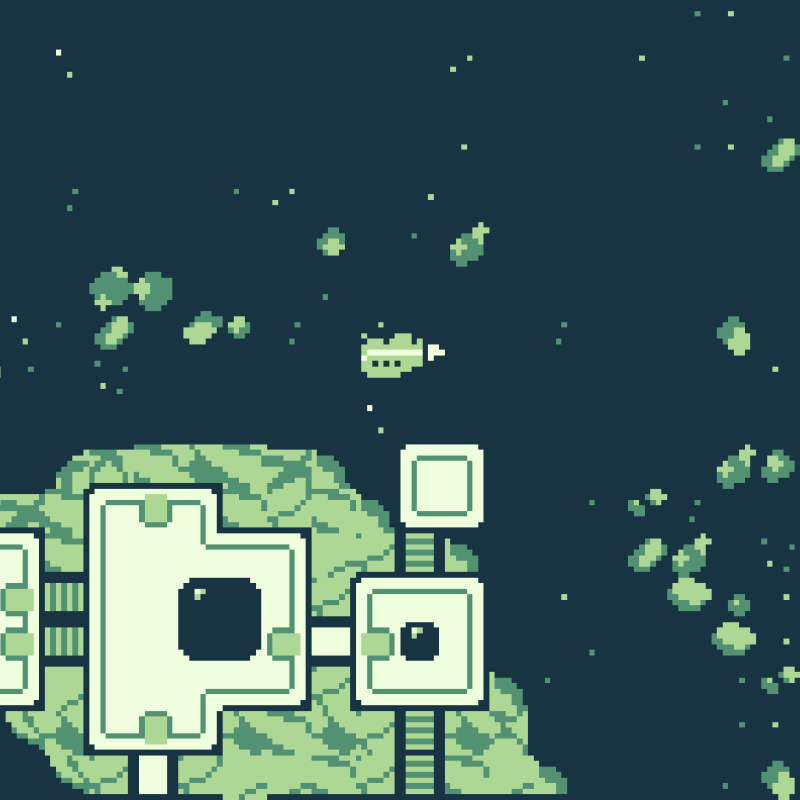
I’ve released many small games as demos, and each one has taught me something valuable, whether that’s onboarding players, refining an art process, or developing a menu system that I later reused. Sharing work publicly also allows players to highlight things I might overlook myself. Space Crawler stands out here. I made it for a game jam and scaled a large idea down into a short experience I wasn’t initially confident about sharing. The response was overwhelmingly positive. Players could see the potential for a larger game, and while I didn’t take it further at the time, it taught me to trust my instincts and keep sharing my work.
Image left: Space Crawler
Where would you like your work to take you over the next few years?
I still have plenty of ideas for Game Boy and Game Boy Color games. The limitations are a fun challenge, and the community is fantastic, so I don’t see myself leaving homebrew development behind. That said, I’ve always had a passion for 3D car games, and I expect to explore that again soon.
It may also make sense for my channel to branch into Godot tutorials alongside documenting my own development. If I were to find major success with a release, I’d love to set up a studio, partly to surround myself with like-minded people, much like my university experience. The Games Academy at Falmouth was special for the sheer number of talented people who were all eager to learn and make games.
YouTube Channel: https://www.youtube.com/c/RobertDoman_GB
Itch Games: https://robert-doman.itch.io

You might also like

Meet the Drawing graduate nominated for the New Blood Emerging Art Prize

Acting alumna on forging a creative practice that's entirely your own

Product Design graduate on being shortlisted for award and having her work discussed with Queen Camilla

Music alumna on why she chose Falmouth, the creative cycle and releasing her new EP
