Film & TV student on BAFTA scholarship and living with bipolar
16 October 2026
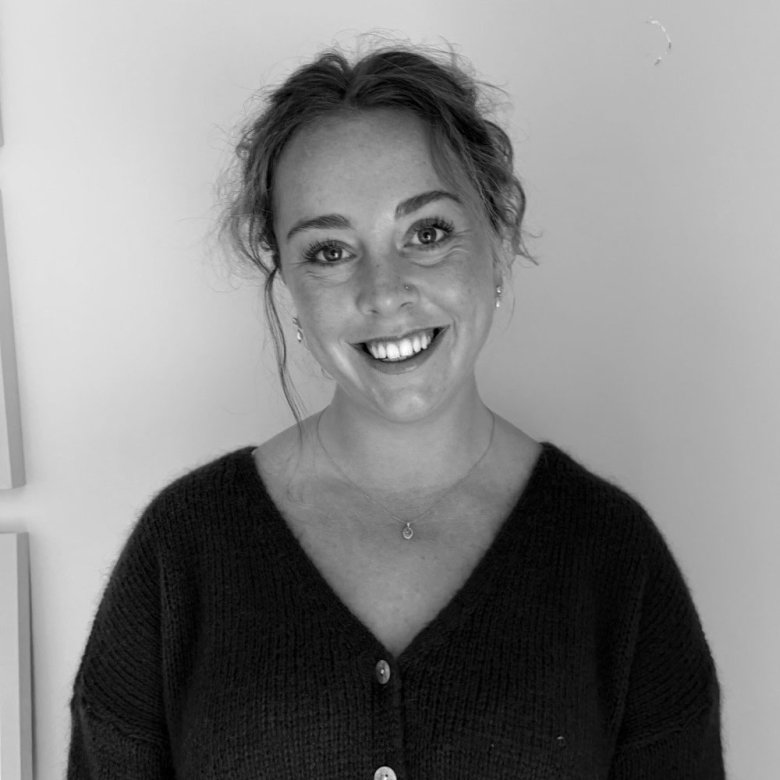
Film & Television master’s student Chloe Lamb has been awarded a BAFTA scholarship, but she did not take the traditional route to get there. She studied politics, worked a 9-5 and, during a difficult period with her bipolar, started a confessional comedy blog, Pull Up a Pew, that caught a producer’s eye. Now she is writing for screen on a hands-on course at Falmouth, with mentoring from the BAFTA network still to come.
We caught up with Chloe to ask about the scholarship and mentoring, why she chose a broad film and television MA and what a typical week looks like. We also asked how her blog shapes the way she writes for screen.
Congratulations on the BAFTA Reuben Scholarship. How did it feel to find out and what does the support mean for you?
I honestly couldn’t believe it when BAFTA emailed saying I’d got the scholarship. I thought I’d tanked the interview, so it was pure shock!
Financially, for me, going into this MA, money was a big worry. Due to ill health, I had no savings from my past four years of work, and was really worried about having to work alongside the course (again, for health reasons), so practically, this scholarship means I can give all my time and energy to the course.
In terms of the bigger picture, going into this course with a BAFTA scholarship has given me real confidence, which has been a game-changer when starting a master’s that bears no relation to my BA!
What are you hoping to get from the BAFTA mentoring and from meeting your fellow scholars?
I’m yet to be appointed my mentor from the BAFTA network, but this will be a huge help. As someone who is very green in the industry, I feel so thrilled about the mentorship aspect of the scholarship. My mentor will be a screenwriter in the industry, so I’m looking forward to learning as much as I can about the practicalities of this job: navigating finding representation, what a ‘good’ agent relationship looks like, dealing with rejection and how to advocate for myself.
I’ve only met my fellow four scholars online so far, but our scholarship gives us access to the members’ bar at 195 Piccadilly, so we have plans to all meet up in London soon. What’s fun about this scholarship programme is its breadth. Within the scholars this year there’s someone specialising in sound design, two games design students, an actor and me, a screenwriter. Not only is this a really amazing opportunity to learn more about different parts of the industry (I’m a total newbie to the gaming world!), it’s also exciting from a contacts perspective when we’re all working after our courses.
You studied politics and had a worked in education before turning to screenwriting. What made you decide to make the leap into an MA in Film and Television?
I would say I’m quite a passionate person, and nothing ‘professional’ has really excited me since studying Politics at Durham.. During a period of real struggle with my bipolar, I started writing a confessional comedy blog, and realised I LOVED writing. A producer reached out and asked if I’d ever written for screen, and the rest is history! I became obsessed with writing and realised that it was what I wanted to do with my future, and this drove a desire to study an MA in Film & TV, instead of Screenwriting, as I knew I needed the context to make me a better writer.
You started the confessional comedy blog Pull Up a Pew and realised you loved writing. What’s the blog about and how does it shape the way you write for screen?
Pull Up a Pew is confessional in style, and I write to (hopefully!) make people laugh. Being in your twenties in this bizarre age of Instagram highlight-reel culture, I really believe there’s an appetite for mess. I don’t want to go on social media at the end of the day and see someone’s immaculately planned proposal or someone’s promotion at work! I want to see that someone sat on a tuna sandwich on the tube on the way to work and then had tuna on their work trousers for the rest of the day?!
Life in 2026 is tough: politically, economically, environmentally and romantically, but I really see laughter as medicinal. I don’t shy away from the hard stuff. I’m not interested in writing escapist TV, but I think there’s a real gap in the market at the moment for this sort of dark comedy. Humour and tragedy should land in the same breath onscreen, because they do offscreen.
Your writing mixes humour with real honesty about living with bipolar. How has that openness shaped the way you approach your MA?
In terms of the course practically, my experience with bipolar informs my writing. We see more and more mental health on screen, but representations are often reduced to a recovery narrative: a big struggle that a character overcomes. Millions of people live with chronic mental health conditions that we will never ‘overcome’, and I think it’s really important to see characters living brilliant, full lives alongside long-term conditions like bipolar.
Socially, from the first week of my course, my peers already knew that I have bipolar. Shouting about it from the rooftops is sort of long-term health planning for me: if I do become unwell during this course, I only need to deal with implementing previously agreed steps to help, rather than starting the process of explaining, managing people’s reactions and deciding on ‘help’ while I’m already unwell. Being honest about my mental health helps me personally, but the more voices we get talking about their mental health on campus, the better! According to a House of Commons report, 57% of students report mental health issues, yet silence is still largely the status quo. We all have a role in helping to shift this!
What does a typical week of study on the course look like for you so far?
We’re still near the start of the course, but what has struck me is the crazy number of contact hours (my previous BA in humanities speaking here!). This term we have one academic module (we’re currently learning about postmodernism), so while that’s only two of our contact hours a week, there’s lots of independent study around it. Our other module is more practical: we are in studios six hours a week. This week we’ve learnt about location sound, had our inductions on editing software and a workshop around LED lighting. As part of the module we also have four hours of seminars weekly on different parts of the filmmaking process (today’s was Production Design). I’ve loved how hands-on the course has been so far.
What has surprised or challenged you most since coming back into study and how have you found connecting with your course peers and life in Falmouth?
This probably sounds counter-intuitive because, as I said earlier, the course is intense in terms of contact hours, but I have found the freedom a real surprise. I’ve been in a 9-5 for the last three years, and there’s a gorgeous sense of ‘I can do as much or as little as I want’ now I’m back in education. For someone like me who is hyper-organised and quite proactive, there will be a challenge here in pacing myself.
Falmouth is awesome. I love the place, and I’m loving getting to know the town (and county!) better with the friends I made on day one of the course.
External links
https://www.instagram.com/chloelambwrites
Selected blog posts:
Chloe Lamb: Professional Dumpee - https://www.pullupapew.org/post/chloe-lamb-professional-dumpee
Blog on AI - https://www.pullupapew.org/post/a-aaaghh-i

You might also like

Creative Advertising student sees her healthy eating campaign displayed at local academy

Army veteran on returning to education in his 40s to study software engineering

Prosthetic Effects graduand wins global award for World of Warcraft creations

