Regenerative Materials Collaboration: From Concept to Prototype
30 January 2026
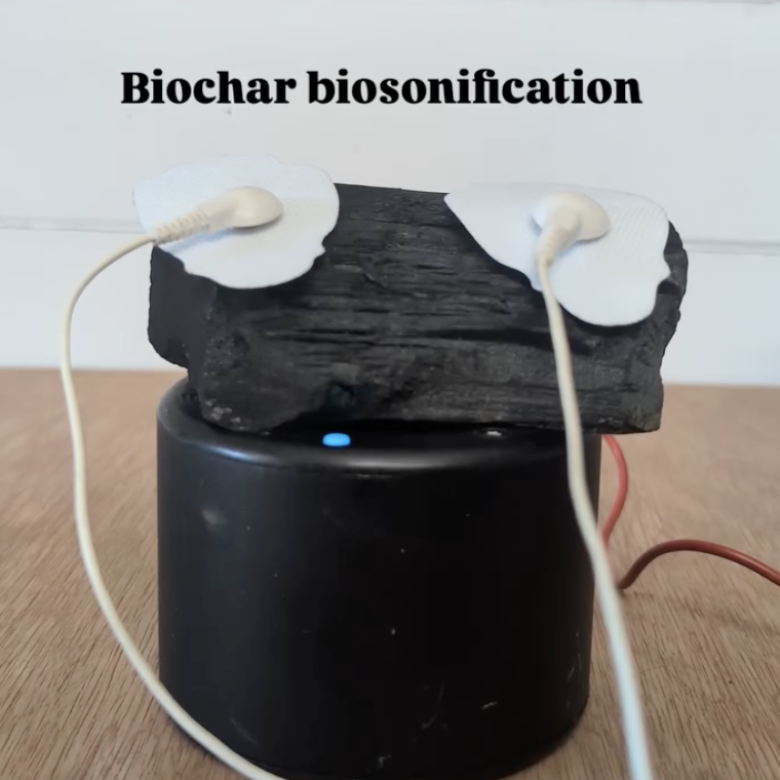
Over the past six months the University has delivered a pioneering series of collaborative projects with four businesses working in the field of regenerative and bio-based organic materials.
These partnerships explored the potential of natural and recycled materials, including biochar, chitin, seaweed, and recycled plastics, through a structured but highly experimental product development process.
Each project was distinct in its material focus, market ambition, and technical challenge, yet all shared a common goal: to translate innovative ideas into tangible prototypes while building knowledge around regenerative product design.
The Launchpad Futures programme is funded through the UK Shared Prosperity Fund as part of the Cornwall and Isles of Scilly Good Growth Programme, which supports local projects that contribute to sustainable and inclusive economic growth.
What We Did
The projects collectively supported businesses from early-stage concepts through to developed prototypes. Activities included:
- Experimental material and polymer testing with novel bio-based inputs
- CAD development and digital prototyping
- Virtual reality (VR) visualisations to explore form, scale, and use-context
- Site visits and direct engagement with manufacturers
- Conversations with potential investors and supply chain partners
- Integration of live student briefs and hands-on student projects
- Gamification approaches to explore user engagement and systems thinking
A key strength of the programme was the flow of knowledge exchange between businesses, University technicians, academic staff, and students, demonstrating how projects can evolve into live student briefs, extending their impact while providing real-world learning opportunities.
Working with Regenerative Materials
Regenerative product design goes beyond reducing harm; it seeks to actively restore ecological systems, support circular economies, and work in harmony with natural cycles.
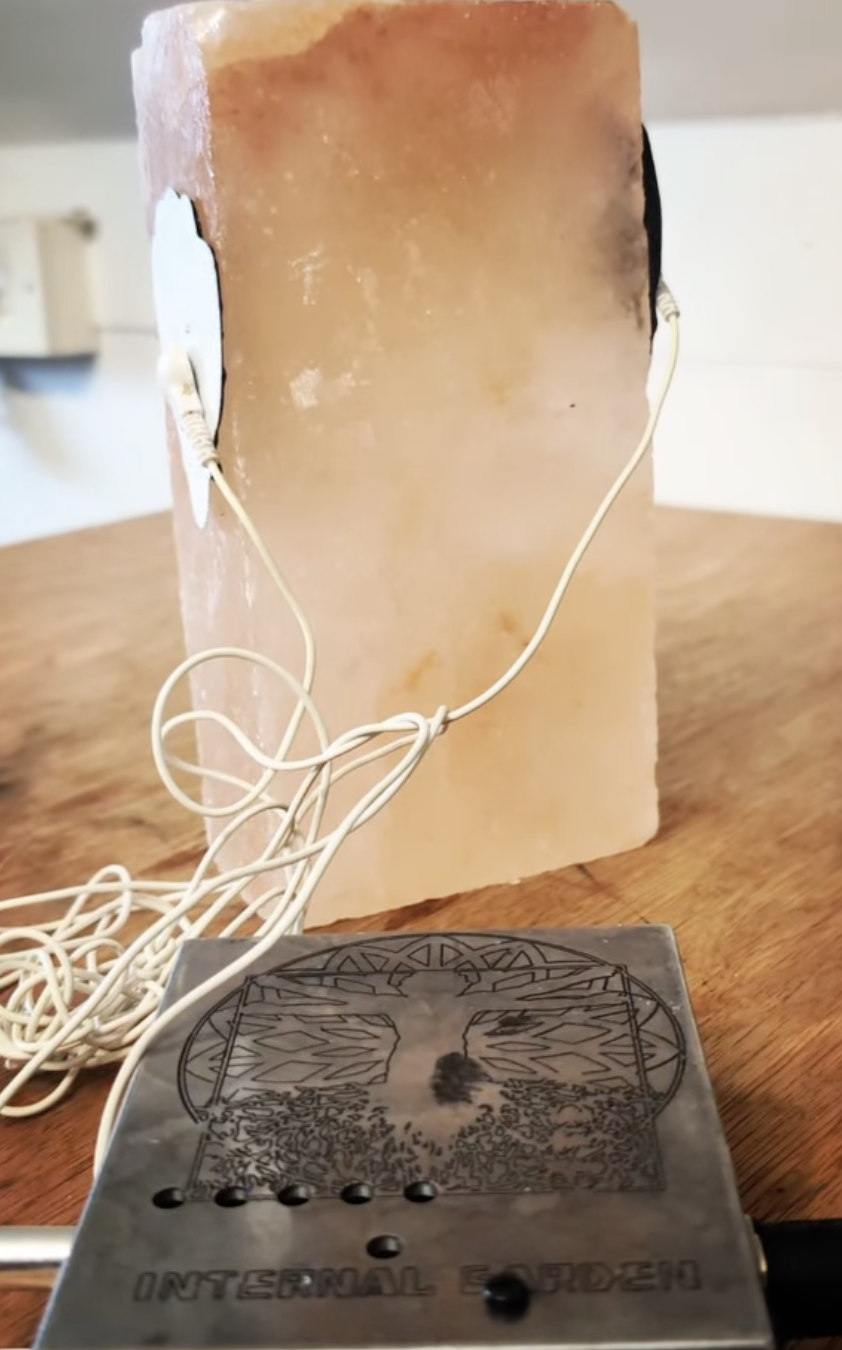
Within these projects, the use of materials such as seaweed, chitin, and biochar required extensive experimentation, iteration, and testing. This exploratory phase is essential to understand material properties, processing constraints, durability, and end-of-life pathways.
Some of the companies we have worked with include Glass Twinned to bring a new product to market, Binsmart to bring a new product and process to firm, Lovat Parks, and Restor’d.
Impact and Outcomes
The programme delivered significant value:
- Four businesses supported through bespoke, high-quality product development processes
- New internal models for knowledge exchange and industry collaboration established
- Strong engagement between academics, technicians, students, and external partners
- Clear pathways identified for future development and investment
Crucially, this initiative demonstrated that the University can act as a catalyst for regenerative innovation, supporting businesses to explore new materials, reduce environmental impact, and develop future-facing products.
Looking Ahead
This programme provides a strong case study for continued support of regenerative materials research and industry collaboration and offers a scalable model for future partnerships aligned with sustainability, innovation, and regional economic development.
You might also like

Launchpad Futures Supports: Flexi-Hex
05 January 2026
A sustainable packaging company started in 2018 based in Porthleven, Cornwall working globally to

Launchpad Futures Supports: Quantavia
24 December 2025
Quantavia's platform helps create and update rosters, manage staff, monitor flight time limitations

“Making a Positive Impact”: An Interview with Leanne, Positive Impact Manager at Lovat Parks
29 August 2025
Join us for an exclusive interview with Positive Impact Manager, Lian Locke, from award winning

Reimagining Cornwall’s Resources for a Regenerative Future
27 August 2025
Launchpad Futures, in collaboration with Social Designs, brought together makers, designers

Dr. Pedro Longart supports local company at NEC Birmingham Exhibitions
27 November 2024
Dr. Pedro Longart, Launchpad Futures Programme’s marketing expert, recently attended the Advanced