Linka Nowell (Caroline L.A. Wheeler)
About the researcher
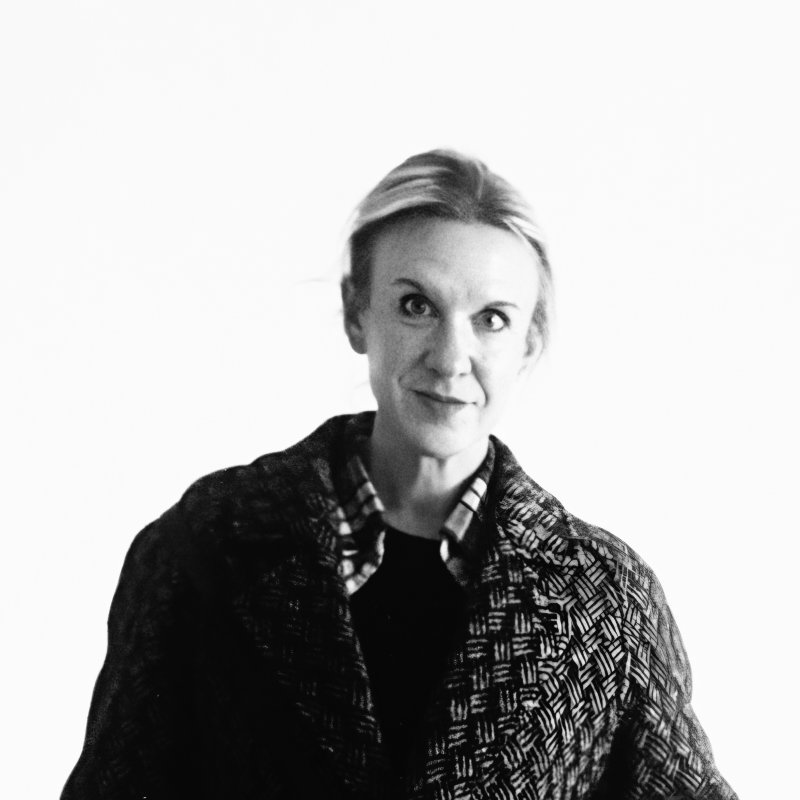
Caroline L.A. Wheeler (Linka Nowell) is a practice-based PhD researcher at Falmouth University and an interdisciplinary artist based in the UK. She holds degrees from the Royal College of Art (MA Jewellery and Metal), City & Guilds of London Art School (MA Art and Material History) and Bath Spa University (BA Media Communication and Cultural Studies). Her artistic practice examines migration, displacement and the movement of people, materials and environmental ecologies. Producing work in a variety of media including installation, sculpture, photography and film, her materiality-led, research-driven practice traces systems of provision, value, border and control. Her current doctoral research examines dress and adornment as visual sites of diasporic identity negotiation, focusing on portrait photography archives of Polish refugees hosted in 1940s Uganda under British colonial rule. She works from a third generation auto-ethnographic position using a multi-method bricolage approach.
Research interests
Migration, displacement and refugee history, photobooks, African matrilineal histories and photography, photography archives, archival research, refugee dress and adornment, Polish diasporas, environmental ecologies, museum and gallery engagement, new materialities.
PhD abstract
Thesis title
Dress and Adornment as Identity Negotiation in the Portrait Photography of Polish Refugees Hosted in 1940’s Uganda
Abstract
This practice-based PhD research examines how dress and adornment recorded in portrait photography of Polish refugees in 1940s British colonial Uganda function as sites and spaces of diasporic identity negotiation.
The research investigates national identity, displacement, cultural preservation, imperial governance and aid provision within a postcolonial photographic discourse. It expands an underrepresentation of women and matrilineal histories within refugee, dress, identity and African portrait photography scholarship.
Through the collecting, classifying and cataloguing of images, research contributes new knowledge through the creation of a photographic archive and photobook focused on dress and adornment practices within the Polish refugee community in 1940s Uganda. A diaspora of predominantly women and children who survived USSR forced displacement and were later hosted under the British military administration before onward resettlement.
Methodologically, the project combines archival research, visual analysis, auto-ethnographic enquiry, site specific fieldwork and interdisciplinary creative practice. Working from a third-generation diasporic position, the research approaches photography as historical evidence and an active site of material and visual knowledge production. Creative practice methods including photography, installation, textile and object-based enquiry extend the archive beyond documentation into public-facing forms of engagement.
Two research questions guide the study: ‘How does dress and adornment in portrait photography reveal imperial influence and diasporic identity formation among 1940s Ugandan-hosted Polish refugees?’ and ‘How can creative practice, through a multi-method approach, function as a mode of enquiry into dress, adornment and diasporic identity formation?’.
The first doctoral and creative practice research centred on this previously publicly unseen family collection; the project brings visibility to a socially and academically overlooked history of displacement and migration.
Researcher credentials
Qualifications
| Year | Qualification | Awarding body |
|---|---|---|
| 2023 | MA Jewellery and Metal | Royal College of Art |
| 2022 | MA Art and Material History | City and Guilds of London Art School |
| 2002 | BA Cultural Studies and Media Communication | Bath Spa University College |
Honours & awards
| Year | Description |
|---|---|
| 2023 | Design Nation Graduate Innovator Award – London Design Week |
| 2023 | Green Grads Anglepoise Earth Prize – London Design Week |