Technical Theatre Arts graduate goes from operator to designer
13 November 2026
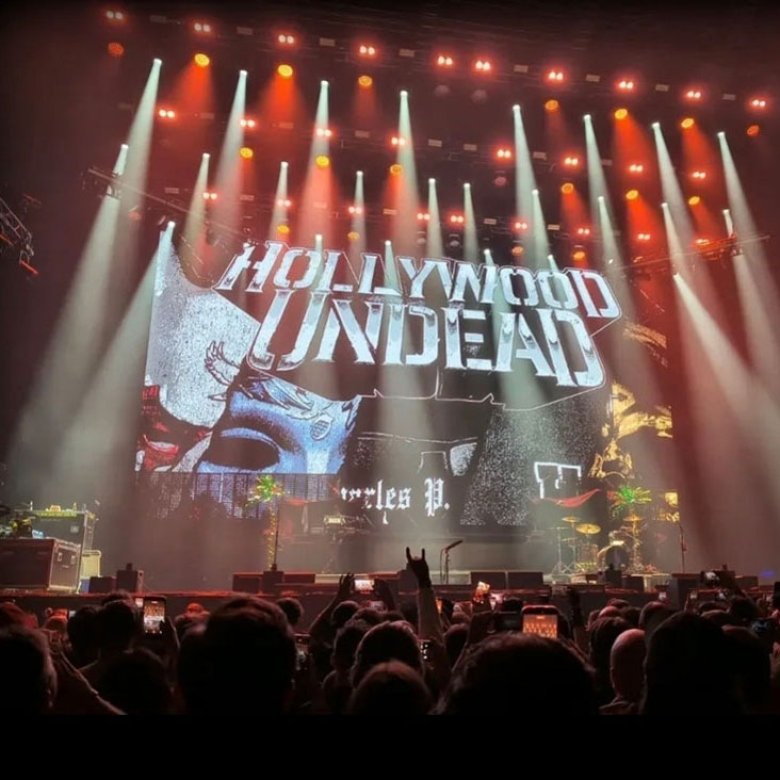
Ruairi Wakefield used to bring other designers’ ideas to life from behind the lighting desk. Now the creative calls are his as Lighting Director for American rock bands like Hollywood Undead, Thrice and After the Burial.
Ruairi graduated from BA(Hons) Technical Theatre Arts in 2021 and still draws on its final-year module, where students take on technical management roles and lead the year below as techs. We caught up with him to talk about finding his own way of working, lighting artists far outside his comfort zone and what changes when you move from operating a show to leading one.
What has changed most in how you approach a show now that the creative calls are yours?
I feel like the biggest change for me was finding my own specific flow of working. Previously, it was just observing and editing from a technical perspective; now it’s much more of a concept-to-final-product situation where I get to explore things in my own way.
It can be a challenge at times, especially just trying not to repeat what has been done before, but also not attempting to reinvent the wheel on the fundamentals.
With Bleed From Within, you’ve been touring Lighting Director (LD) and operator on behalf of designer Tom Campbell. What’s it like bringing someone else’s design to life every night, and how does that compare with lighting a show you’ve designed yourself?
Working with Tom (and MIRRAD, the London lighting design collective he belongs to) has been an absolute privilege. In his own right, Tom is a very highly respected LD with a vast, impressive list of works to his name. Being trusted enough to take his work out and remotely modify it to his specific style presents an opportunity to reflect on my own way of doing things, sometimes highlighting why I prefer to programme one way, or enlightening me to a way of doing it I hadn’t considered before.
Photo credit: Dan Virchow
It’s daunting the first couple of times because you’re effectively handling someone else’s passion and energy, but it becomes a very comfortable place to grow from if you take it in your stride. This has led us to a place where we are now co-designing on Starset, so it proves the approach works.
How have you adapted your lighting to suit different sounds, stage energies and fanbases now that you’re working with different artists?
I can never emphasise enough that having a house LD position will open your mind more than anything.
One day, you’re in your comfort zone (for me, rock/metal); the next, you have to run lights for a bubblegum pop artist who is not your thing. But applying passion for the craft over genre preference is key there. The outcome is that people walk away having viewed a spectacle for their favourite artist that you got to deliver to them. Nail that down and touring as an LD will become a much smoother ride.
You now hold a US work visa through ColourSound Experiment. How did that relationship develop, and what does being able to work in the US open up for you?
ColourSound have been vastly influential in a lot of my more recent decisions. After spending a couple of years freelancing for them as a tech (as well as them giving me my first board op tour), I landed in the position to bring them clients for equipment rental. This evolved into us reaching an agreement to allow me to work in the US.
Working in America opens up a wider pool of opportunities, experiences and networking contacts. Ultimately, there is the largest concentration of bands looking for an LD over there, which is what I found so inviting. ColourSound facilitating my desire to work here will always be a dearly appreciated situation.
Now that you’re leading shows rather than operating them, which parts of the Technical Theatre Arts course do you find yourself drawing on most?
Of all things, the end of final-year module: acting as technical management using the junior-year as techs.
Having moved into LD and production management roles, that grounding in how to handle different departments’ needs or identify the overlap between them to benefit the wider production has been instrumental. The who/what/where/when/why list of priorities was shaped in those early stages of my career and has been carried through long after graduation.
Technical Theatre Arts is where I started and I will always draw from it when I need a place to consider the future.
External links

You might also like

Popular Music graduates on forging eclectic creative careers

From Warsaw to St Louis: MA Film & Television graduates on their successful film circuit

Marine Photography alumnus wins Wildlife Photographer of the Year award

Creative Music Technology graduate on mixing her own album
