Why I returned to study an Indie Game Development master’s while teaching
27 January 2026
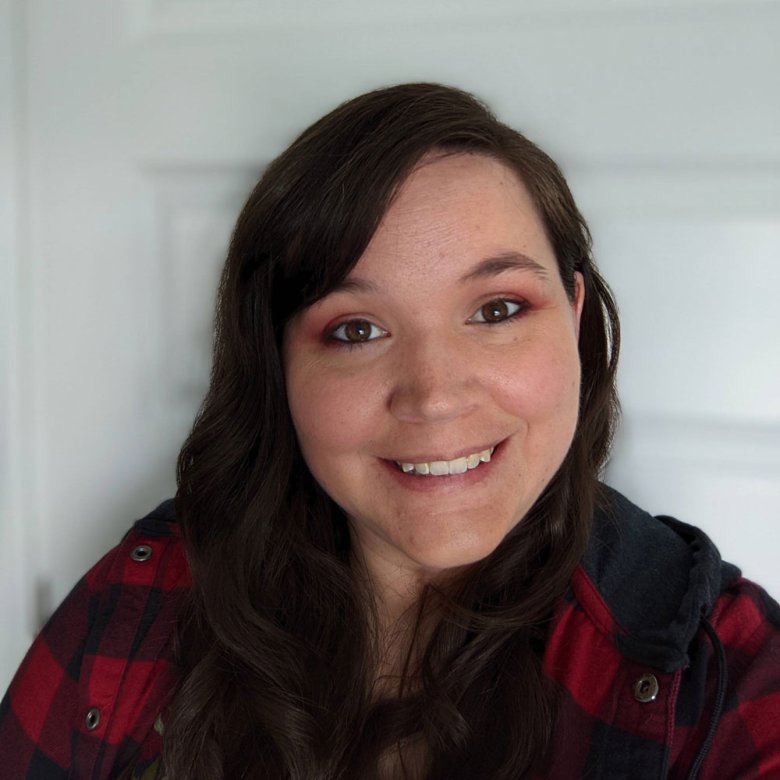
After years working across games and education, Jess Bradshaw chose to return to study with a clear purpose. The Indie Game Development MA (Online) at Falmouth offered a way to stay hands on with game making while connecting practice to research and theory. It felt like a natural next step for someone committed to learning and developing their creative practice.
We caught up with Jess to talk about balancing full time teaching alongside postgraduate study whilst running her own studio, the value of learning with a supportive peer group and how the course helped shape both her creative work and approach to education.
You’ve had a long and varied career in games and education. What made you choose Falmouth’s Indie Game Development MA (Online) for your next step?
My career path has been a journey of twists and turns. I’m a lifelong learner, so a master’s has always been an option. I was looking for a programme that allowed me to design and build games while connecting practice to theory and research, and a master's in indie games felt like the perfect blend.
You’ve balanced full-time teaching and study while completing your master’s with distinction. What inspired you to take on that challenge?
A master’s has been on my mind since I completed my undergraduate degree in Interactive Arts and Science and my postgraduate certificate in Game Level Design. It felt like a great way to return to hands-on development alongside my students, bringing fresh examples and experience back into the classroom. My peers pushed me out of my comfort zone and helped me achieve more than I could have hoped for. I made some lifelong friends along the way, and we supported one another throughout the programme. When things felt difficult, having a circle of people going through similar experiences made a real difference.
How did studying at Falmouth influence your teaching practice?
The reflective practices built into the modules helped me draw strong connections between what I teach and my own creative practice. While I had experience with self-directed study, academic research was something I had only touched on briefly before. The programme struck a good balance between research and technical skills. I now bring market research, budget planning and pitch decks into both my teaching and my own business. The depth of knowledge shared by the tutors also helped me refine my workflows and development pipelines.
You’ve mentioned mentors like Matty McGrory and Sally Blake. How did their guidance shape your approach game development?
I’ll always be grateful to both of them for their support when I was struggling. Their experience and advice helped me rescope, prioritise and set realistic goals. They went beyond the assignment briefs and offered insight into how my ideas and skills would translate into industry practice. They connected their real-world experience with what I was facing at the time, and that emotional and practical support made a huge difference to my studies and overall experience on the master’s.
Your final project, Remember Me Knot, blends digital gameplay with real-world crafting. Where did that idea come from, and what was the development process like?
Many of my ideas involved merchandise or ways for players to create something that reflects their journey, so designing a game around that felt natural. The concept can adapt to different genres, but the core idea was player-led decisions influencing something physical they could make. Development-wise, I leaned on industry connections for support. I initially planned to do everything myself, but working with a wider community played to everyone’s strengths. I collaborated with peers from the programme, colleagues at work and even a former student.
Collaboration seems central to your work. How did working with your peers at Falmouth push your creativity further?
One of my main goals was to build a lasting network of collaborators from around the world. I took every opportunity to work with others, sometimes outside my cohort and sometimes with UX students. I also helped develop an unofficial Discord community for current and former master’s students, which became an important support space. These connections gave me new perspectives and challenged some of the norms I was used to in North America. The master’s is about more than what you learn. It’s about building a community that stays with you.
Now that you’ve completed your MA, what’s next?
I’m looking forward to collaborating with fellow graduate Tim Marquis-Fjeld. We already have several ideas in development and worked closely throughout the master’s, earning distinctions on our final projects. We relied on each other heavily during that final stretch, and that support helped us both cross the finish line. The programme connected me with people who have had a lasting impact on my life and future in game development. Indie game development now feels achievable, and the continued support from Matty and Sally has shown me what’s possible with commitment and hard work. Tim and I hope to launch something together in the coming years.
External links

You might also like

Creative Advertising alumnus on working across more than 100 brands in New York

Drawing alumna on working as assistant curator for renowned UK exhibition

Games Programming graduates sign BELTFED publishing deal

