Lawrence Aaron Gilson
About the researcher
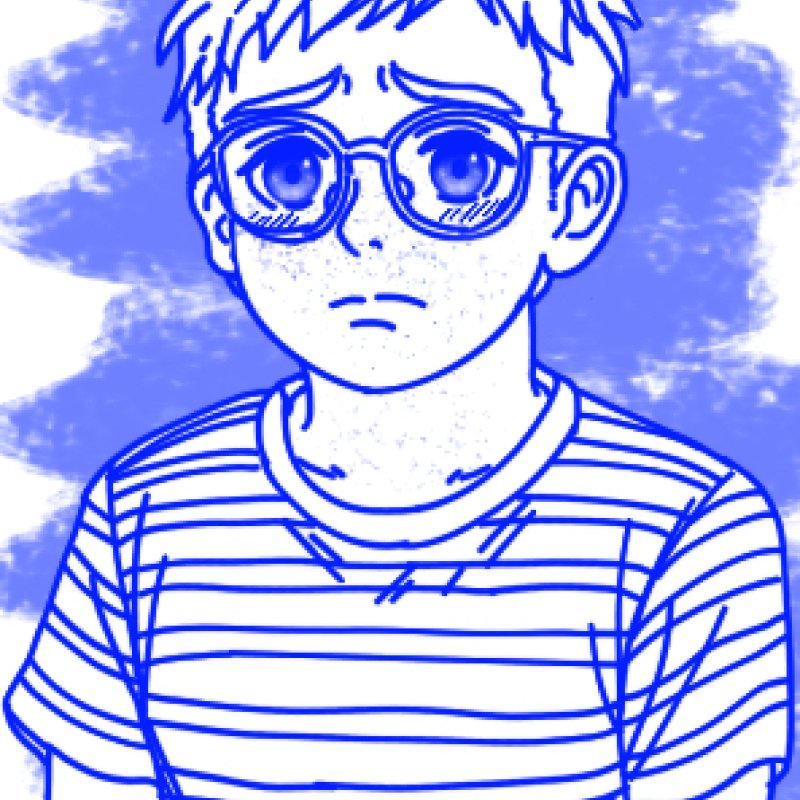
Lawrence Aaron Gilson is an illustrator, and researcher, whose research is within the realms of neurodiversity, fantasy, and creative pedagogies. His practice-led project World Within: Autism, Magic, and the Art of Neurodiverse Representation seeks to identify how narrative illustration and fantasy could be an ethical, empowering representation of neurodiverse and autistic life.
Having studied Illustration and Animation (MA, Cardiff Metropolitan University, 2025), Lawrence synthesises auto-ethnography and creative practice as a way of reframing stereotypical representations of disability and neurodiversity within visual culture.
He often utilises his interests in magical systems, speculative worldbuilding, and sensory design as analogues for lived processes, thus building inclusive worlds for identity and culture.
Lawrence curates Artistically Autistic, which showcases his professional practice dedicated to the celebration of neurodiverse identity, the idea of stim culture, and neurodiverse community.
His research interests are:
- Neurodiverse-coded characters within visual culture, which fits within Falmouth’s Narrative Futures
- Disability studies and the character representation of neurodiverse-coded characters, which fits within Falmouth’s Critical & Creative Narratives
- Promoting inclusive, ethical, and positive representations of those with lived experience of disabilities and neurodiversity, which fits within Falmouth’s Creative Pedagogies
- Practice-based research on zines, comic strips, possible graphic novel, etc, into lived experiences of disability and neurodiversity, which fits within Falmouth’s Test Space
PhD abstract
Thesis title
Worlds Within: Autism, Magic, and the Art of Neurodiverse Representation
Abstract
This practice-led research project explores the internal autistic, neurodiverse experience through auto-ethnography as methodology, by way of narrative depiction, culminating in a proposed illustrated graphic novel set in an imaginary, fantasy realm. Through this process, research aims to address the significant lack of agency and authorship of neurodiverse experience within visual culture (Babar, 2023; Barnes, 1992; Botha et al., 2024; Dinter, 2023; Hinz and Battis, 2021; Jones et al., 2023; Munsell, 2024; Rose et al., 2024).
Through narrative illustration, fantasy and/or magic structures become metaphorical devices for examining autistic perception and cognition. Fantasy worlds hosting their own internal logical systems, whereby alternative worlds provide recognition for neurodiverse lived experience, promotes positive character representations and limits the ethical risks of redundant, reductive character portrayals of neurodiversity (Babar, 2023; Barnes, 1992; Botha et al., 2024; Dinter, 2023; Hinz and Battis, 2021; Jones et al., 2023; Munsell, 2024; Rose et al., 2024).
Through applying sensory experience to magical realms, this project aims to design imaginative structures that promote cognitive difference, instead of reserving it for the periphery. Elements of stim culture where such forms as visual tactility, complex worldbuilding, and unmasking play a significant role in the construction of identity, and emotion regulation, as much as autistic cultural expression does (Babar, 2023; Barnes, 1992; Botha et al., 2024; Dinter, 2023; Hinz and Battis, 2021; Jones et al., 2023; Munsell, 2024; Rose et al., 2024).
As such, this research will be conducted over four phases:
- a preliminary literature study on autism and neurodiverse-coded representation in visual culture and prose;
- theoretically driven exploration on magical systems as metaphoric devices for neurodiverse experience;
- a practice-led phase on creating a manuscript, concept art, and graphic novel illustration;
- and a fourth phase on dissemination by scholarly publication as well as publication of the creative product.
In integrating lived experience, theoretical investigation, and professional practice, this project hopes to challenge dominant narratives and complement more inclusive and sympathetic representations of neurodiversity (Babar, 2023; Barnes, 1992; Botha et al., 2024; Dinter, 2023; Hinz and Battis, 2021; Jones et al., 2023; Munsell, 2024; Rose et al., 2024).
By working toward this goal, I aim to foster scholarly comprehension as well as broader cultural engagement by offering a model of how fantasy-driven, visual narrative can be an ethical, celebratory, and empowering representation of autistic and/or neurodiverse identity and community.